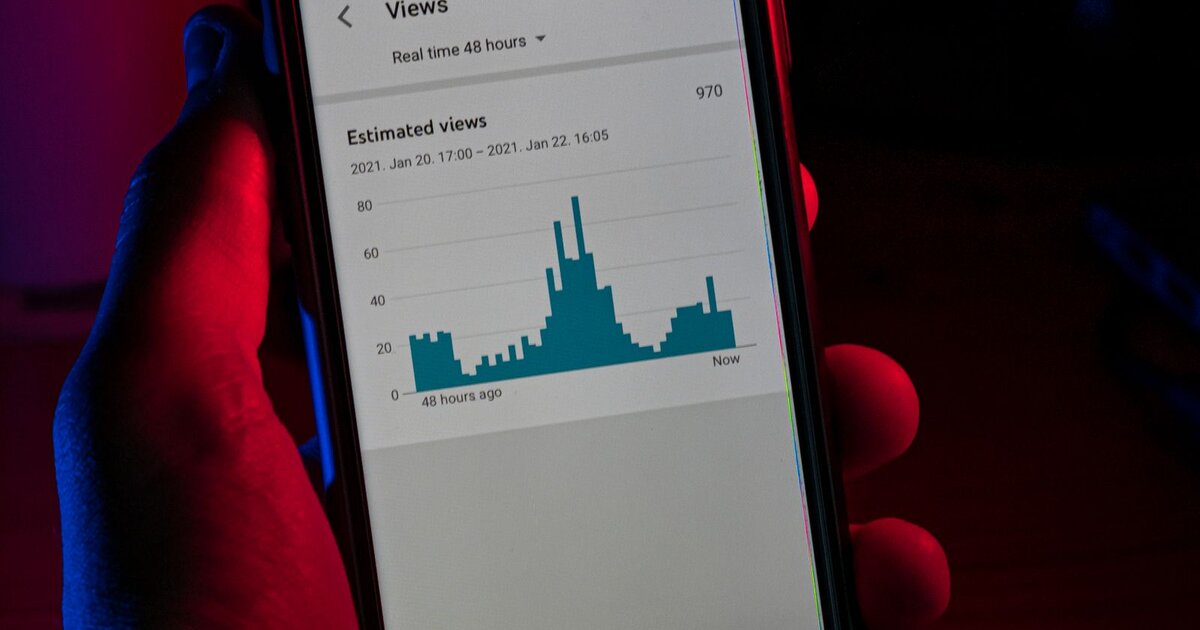
What the Instagram algorithm is and why it exists
The Instagram algorithm is a ranking system that decides which posts, Reels and Stories to show a specific user and in what order. There is no single "algorithm": the app runs several different systems — one for the feed, one for Reels, one for Explore and one for Stories. Each has its own signals and priorities.
They all share one goal — to keep the person in the app as long as possible by showing content they are most likely to watch, like, save or send to a friend. In 2026, understanding this logic matters more than any "secret tricks": if you give the algorithm the right signals, reach grows on its own.
Key ranking signals in 2026
Instagram scores every post against a set of signals. The key ones are:
- Engagement. Likes, comments, saves and shares — especially in the first minutes after publishing.
- Watch time. How many seconds a person watched your Reels or lingered on a post. Full views are valued the most.
- Relationships. Who you message and comment on most — that content is pushed higher.
- Freshness. New posts get priority over older ones.
- Type of activity. Saves and shares to direct messages are valued above plain likes — a signal of real usefulness.
Each feed has its own algorithm
It is important to understand that different Instagram sections rank content differently:
- Feed. Relies on your relationship with the author and the likelihood of interaction. Accounts you follow and talk to rank higher.
- Reels. The main growth point for new accounts. The algorithm actively shows clips to people who do not follow you, based on completion rate and shares. More in our article on promoting Reels.
- Explore. Matches content to a user's interests based on what they already liked and saved.
- Stories. Ranked by how often you interact with a specific author's stories.
What boosts reach
To get the algorithm to promote your content, work on the signals it values:
- Make content people finish watching. The first 3 seconds of a Reel matter more than anything else.
- Encourage saves and shares. Useful lists, guides and memes spread exactly this way.
- Post regularly — the algorithm favours active accounts with a predictable rhythm.
- Show up in the first minutes. Early engagement sets the starting momentum that drives further reach. What engagement is and how to measure it — in our article on engagement rate.
What lowers reach
There are also reverse signals that mute your posts:
- Shadowban for violations or suspicious activity. How to spot and remove it — in our shadowban article.
- Third-party watermarks. Instagram promotes clips with a TikTok logo noticeably worse.
- Engagement bait. Direct "like and follow" calls are treated as manipulation.
- Inactive or irrelevant audience — dead followers drag engagement down.
How to help the algorithm at the start
The hardest part is overcoming the "cold start", when a post has no signals yet and the algorithm does not know who to show it to. Initial engagement helps here: even a small number of likes in the first minutes gives a starting impulse, after which organic reach kicks in.
You can test this for free — Heroverin gives away free likes for a post with no registration or password. For systematic growth, buying likes in the right volume works well. The key is to use a boost as support for quality content, not a replacement for it: the algorithm still rewards what people genuinely find interesting.
Likes remain the first signal the algorithm uses to decide a post's fate. If you need to close that starting gap instead of waiting for organic reach, check the catalog — you can order Instagram likes choosing account quality and delivery speed.