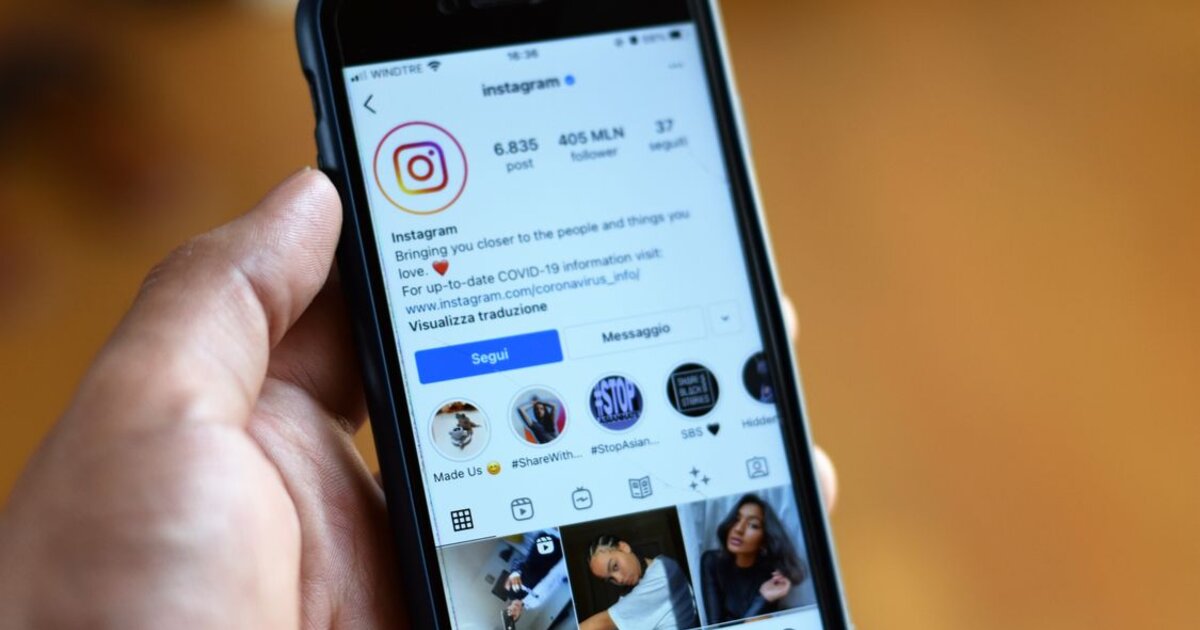
Why Instagram Remains the Top Platform for Business
In 2026, Instagram has over two billion active users and is one of the few social networks where organic reach still works. The algorithm surfaces content to people who might be interested — even if they don't follow you yet. This makes the platform especially appealing for small and medium businesses that can't spend their entire budget on ads.
According to the platform itself, 70% of users have made at least one purchase after discovering a product on Instagram. This isn't just a social network — it's a full-fledged sales channel where purchasing decisions are often made right inside the app.
Step 1: Set Up Your Business Account Properly
Before thinking about promotion, make sure your profile is ready to receive traffic. Switch to a Business or Creator account — this unlocks analytics, contact buttons, and the ability to run ads. Your bio should clearly state what you offer: who you are, who it's for, and what value you bring. Your avatar should be your logo or a recognizable photo. The link in your bio should lead to a landing page or a multi-link tool (Taplink, Linktree).
Your username and display name affect Instagram's internal search. Include a keyword: instead of just @maria_shop, use @maria_shop_moscow, or use the "Name" field for a description — "Custom Cakes · Moscow." This field is the one indexed in search results.
Step 2: Content Strategy — What and How Often to Post
In 2026, Instagram's algorithm favors accounts with consistent publishing and high engagement. The optimal rhythm for a business: 4–5 feed posts per week plus daily Stories. Publish Reels 2–3 times a week — it's the primary tool for organic growth right now.
The 70/20/10 content formula works best:
- 70% — educational and entertaining content: tips, behind-the-scenes, life hacks related to your niche
- 20% — engaging content: polls, questions, contests, collaborations
- 10% — selling content: promotions, new products, direct offers
The most common mistake is posting only promotional content. People don't follow a catalog — they follow value. Give them a reason to stay subscribed.
Step 3: Reels as the Main Growth Tool
Short-form video is what Instagram is betting on in 2026. The algorithm actively pushes Reels into the "Explore" tab, giving you a chance to reach new audiences without spending on ads. For businesses, this means: if you're not making Reels, you're missing the main organic growth channel.
Effective business Reels don't have to be complex. Formats that work: before-and-after, quick tips in your niche, product creation process, answers to common customer questions. The first 2–3 seconds are critical — they determine whether the viewer will watch to the end.
Step 4: Hashtags and Geolocation
Hashtags work differently in 2026 than they used to. The algorithm relies on them less for content distribution, but they still help you appear in relevant search results. The optimal amount: 5–10 targeted hashtags instead of 30 generic ones. Mix them: 2–3 high-frequency tags (1M+ posts), 3–4 medium-frequency (100K–500K), and 2–3 niche-specific (under 50K).
Geolocation is especially important for local businesses. Tag your city, neighborhood, or a specific location — it increases visibility among users searching for nearby services. Stories with location tags appear in local collections and drive additional organic traffic.
Step 5: How to Speed Up Growth — Initial Promotion
Organic growth on Instagram is a marathon. With the right strategy, first results typically show in 2–3 months. Many businesses use a combined approach: organic content plus an initial boost through SMM services to build social proof.
A new account with zero followers creates distrust even with great content. The first 500–1,000 followers remove that psychological barrier and improve conversion — people are much more likely to follow accounts that already have an audience. The key is not to chase quantity at the expense of quality, and to always back any boost with consistent organic content.
Analytics and Optimization
Instagram Insights is a free tool that shows you what's working and what isn't. Look at Reach and Engagement Rate for each post. The average ER for business accounts is 1–3%; anything above that is excellent. Analyze what times your audience is most active and publish accordingly.
Do a monthly review: which posts got the most reach, which formats bring in followers, what converts to inquiries. Use that data to adjust your content plan. Instagram is a constant experiment, and those who can read the data grow faster than everyone else.
You can start building an audience with no spend — try free Instagram followers from the daily giveaway to warm up the profile before paid promotion.