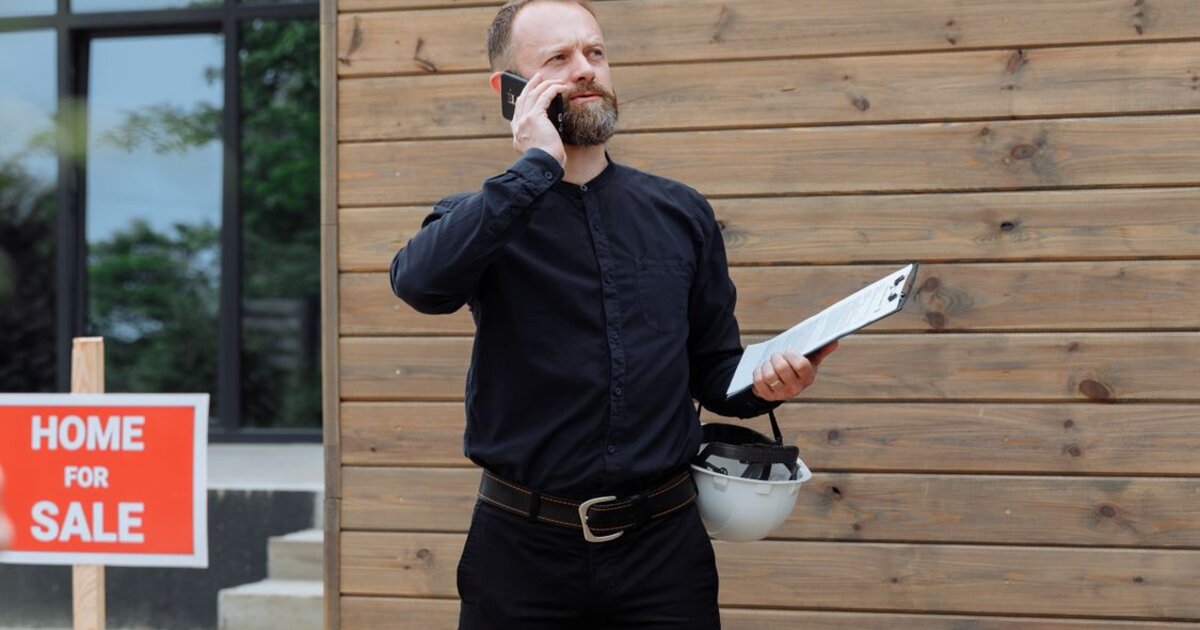
Why a realtor and developer need social media
Real estate is a product with a long and expensive decision: a client doesn't buy an apartment impulsively — they look, compare and search for whom to trust for months. Social media in this niche solves two tasks — showing properties and building trust in a specific realtor or agency. People increasingly choose not an abstract company but a real specialist whose work they see in the feed.
At the same time, real estate advertising is expensive and competition is huge. Social media gives what paid traffic doesn't — constant presence in the client's field of view and an expert reputation. In 2026 a realtor with a live account gets requests directly from social media, bypassing expensive listing sites. Let's break down how to build this.
What content sells real estate
A realtor's account is not only a storefront of properties but also proof of expertise. What to publish:
- Video tours of properties. A live room tour grabs more than photos: the client "tries on" the apartment before the viewing.
- Breakdowns of districts and infrastructure. Where the schools, transport are, what's being built nearby — useful and shows you know the market.
- Expertise. How to check documents, how to negotiate, mortgages, taxes — content that removes the buyer's fears.
- Deal cases. "Helped sell in 2 weeks", "found the dream apartment" — results with real stories.
- The realtor's personality. The client trusts a person, not a logo. Show yourself, the process, reviews.
Selling content here works through trust and value, not "buy-buy": an overly "advertising" account in real estate scares people off.
Where to run social media for real estate
The choice of platforms depends on the audience and the format of the properties:
- Instagram and Reels — a visual storefront: room tours, before/after renovation, the atmosphere of properties.
- A Telegram channel — a quick property base and expert content for those already searching.
- VKontakte — city and district communities, targeting a local audience and by interests.
- YouTube — long reviews and breakdowns for those who choose thoughtfully and for a long time.
Geo-targeting is a must: real estate is almost always local, and you need to run social media for a specific city and districts, like any local business — see our article on SMM for local business.
Trust and reputation decide the deal
In deals worth millions, the client checks the realtor especially carefully. Reputation on social media is part of the decision:
- Client reviews — video and text stories of those you helped buy or sell.
- Transparency. Show real properties and real prices, without "bait" that isn't available.
- Expert answers to questions in comments and DMs — a public demonstration of competence.
A realtor's empty profile with a couple of listings raises doubt: "do they even work, can I trust them with a deal?". A live account with an audience and activity convinces people to reach out. To give a profile a solid look at the start, promotion services help — a base audience and activity work for trust while organic reach builds and reviews accumulate.
Common mistakes in real estate SMM
For social media to bring requests, avoid the typical slips:
- Only sale listings — a catalog feed with no value or personality doesn't hold the audience.
- Photos instead of video. In real estate a video tour sells many times better than static shots.
- A depersonalized brand — the client trusts a specific realtor, not a faceless agency.
- Ignoring locality — advertising to the whole country instead of your city drains the budget.
- No reviews and cases — without proof, people don't trust you in an expensive deal.
SMM in real estate is a long game of trust: video tours of properties, expert content and reputation turn followers into clients who trust you with deals worth millions.