Why a business needs promotions in social media
A promotion is a temporary special offer that gives a person a reason to buy right now, not "sometime later". In social media promotions work especially well: they gather reach, engagement and sales at once. A discount or a limited offer triggers emotion and the fear of missing out — and a follower who has long been eyeing the product finally decides.
But a promotion for the sake of a promotion devalues the product and trains the audience to buy only at a discount. In 2026 the winner is the one who runs promotions systematically: with a reason, a limit and the right presentation. Let's break down how to run sales in social media so they bring profit, not loss.
Types of promotions
Formats are chosen for the goal — sell off leftovers, attract new clients or raise the average check:
- A discount by promo code. Also lets you track where sales came from (see promo codes with ambassadors and bloggers).
- A limited offer. "Only 3 days" or "for the first 20 clients" — triggers urgency.
- Bundles and upsells. "2 for the price of 1", "a discounted set" — raise the average check without a direct discount on everything.
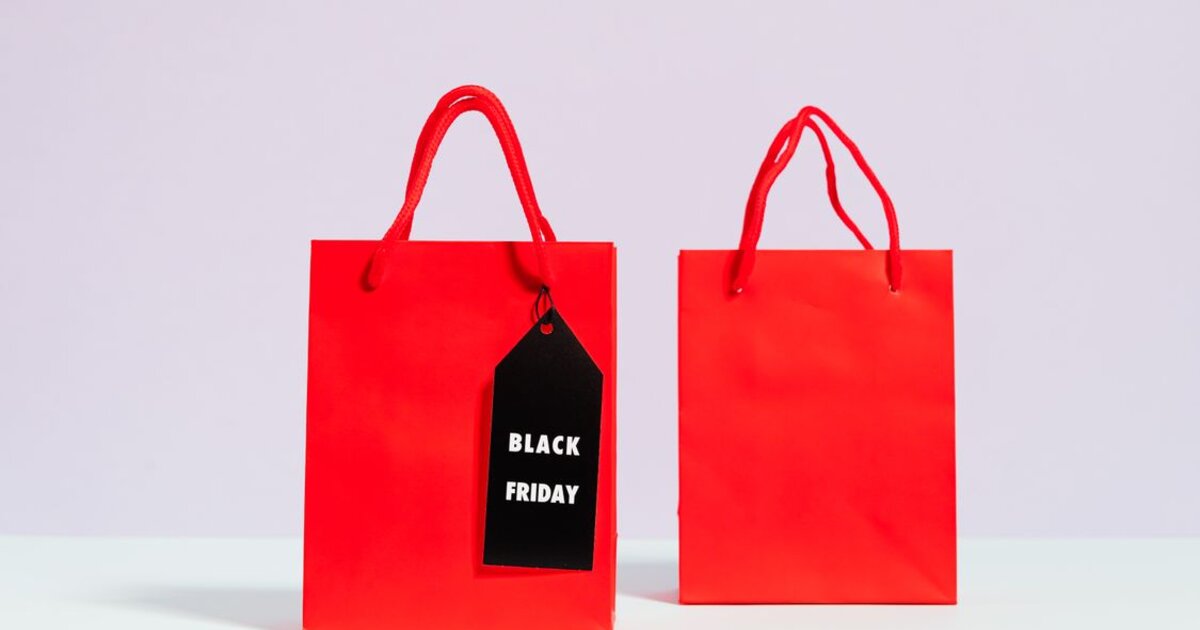
- Seasonal sales. Black Friday, New Year, March 8 — ready news hooks when people are already inclined to buy.
- Promotions for an action. A discount for subscribing, reposting or a review — a sale plus reach.
The best promotion benefits the client and doesn't hurt your margin: think through the terms so the discount pays off through volume or new clients.
How to prepare a promotion in social media
A promotion's success is decided before it starts. What to do in advance:
- Warm-up. Don't launch a sale "head-on" — hint at it for a few days, create anticipation. On the mechanics — in our article on warming up an account.
- Clear terms. What, for whom, how much and until when — without fine print and catches, otherwise you'll get negativity.
- A promotion content plan. Announcement, start, reminders, "last day" — a series of posts, not one post.
- Readiness to take requests. Fast DM replies, working links — otherwise the burst of interest is wasted.
This is especially important for seasonal peaks like Black Friday: the audience is waiting for discounts, and you need to prepare 1–2 weeks ahead, not on the last day.
How to present a promotion so people buy
Presentation matters no less than the discount itself. Psychological triggers work:
- Urgency. An honest deadline and a countdown nudge people to decide now.
- Scarcity. "5 left" raises the value — but only if it's true.
- Benefit shown clearly. Show the old and new price, the savings in money — specifics convince.
- A call to action. A clear "go and grab it" at the peak of interest (see our article on the call to action).
How these triggers work in buyer psychology, we covered in our article on sales psychology. The main thing is that urgency and scarcity must be real.
Black Friday and seasonal peaks
Seasonal sales are ready demand but also high competition. How to stand out:
- Start earlier. While everyone starts on Friday itself, a week's warm-up catches the audience first.
- A real discount. An inflated "old price" for a pretty percentage gets seen through and hurts trust.
- Limit the volume or term. Otherwise the sale loses its urgency effect.
- Prepare stock and support. A peak of requests shouldn't turn into missed deadlines and negativity.
In season people search for discounts themselves — your job is to catch their eye in time and with a clear offer.
Common promotion mistakes
For a promotion to bring profit rather than problems, avoid the typical slips:
- Constant discounts. If promotions run non-stop, the audience stops buying at full price.
- Fake urgency. An eternal "last week" kills trust in any future promotions.
- Inflating the old price. A jacked-up "before" for a pretty "-70%" is deception that gets seen through.
- No warm-up. A promotion "on the fly" doesn't have time to gather an audience.
- Not ready for the influx. Slow replies and missed deadlines turn a burst into a wave of negativity.
Promotions and sales in social media are a powerful sales tool if run with a reason, honest terms and the right presentation. A systematic approach brings both money and new clients, while chaotic discounts only devalue the product.