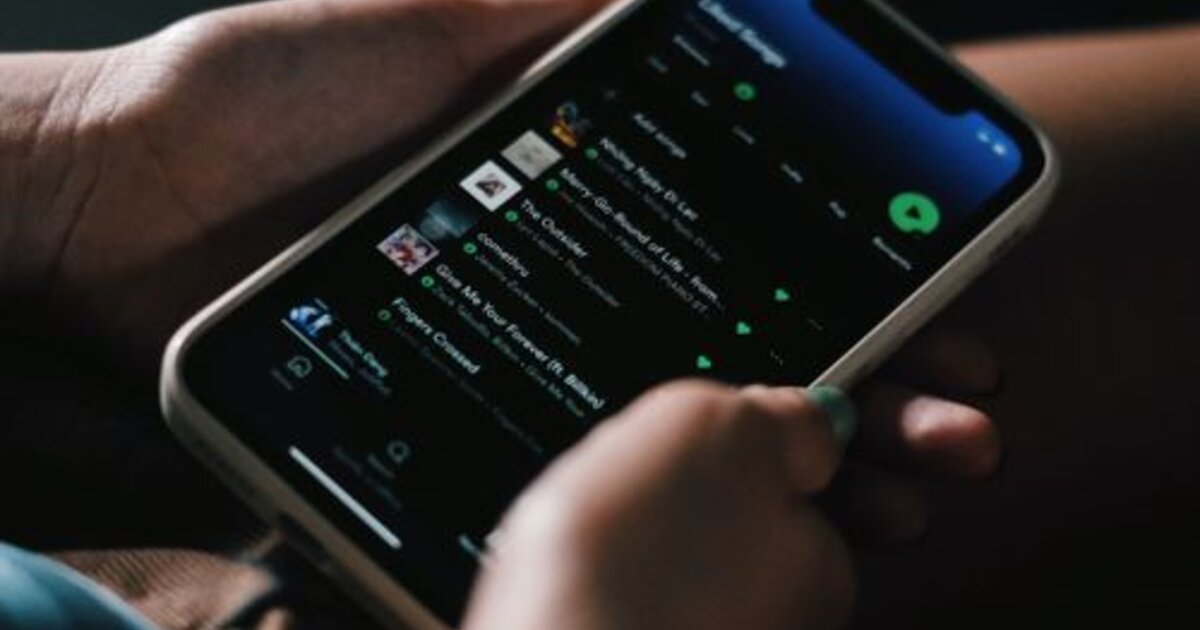
Spotify is the largest music streaming service, where artists find listeners worldwide. But uploading a track isn't enough: the catalog holds tens of millions of songs, and without promotion a new release goes unnoticed. In 2026, let's break down how to promote music on Spotify, how its algorithm works and what role starting activity around a track plays.
How Spotify promotion differs from social media
Spotify isn't a feed of posts but a music platform with behavioral analytics. There are no likes and comments in the usual sense; instead, the key signals are streams, track saves, playlist additions and completion rate.
An artist's main goal is to get into playlists. It's playlists, not followers, that bring the main stream of plays. Playlists come in user, editorial (curated by the Spotify team) and algorithmic types — and the fight is primarily for the latter two.
How the Spotify algorithm works
Spotify constantly analyzes how listeners react to a track and, based on that, decides whom to recommend it to. The key signals are:
- Completion rate. If a track is listened to the end rather than skipped in the first seconds, that's the strongest positive signal.
- Saves and playlist additions. They say people want to hear the track again.
- Repeat plays. Returns to a track raise its value in the algorithm's eyes.
- Reaction speed on release. Activity in the first days determines whether the track gets into Release Radar and Discover Weekly.
If a track passes this filter, Spotify starts mixing it into algorithmic playlists — and reach grows like an avalanche.
Key artist metrics
It's convenient to track a profile's development through several indicators. Monthly listeners is the artist's main showcase, visible to everyone. Total streams show the catalog's popularity. Followers get notifications about new releases, while saves and playlist placements reflect genuine interest.
The first days after a release are especially important: the algorithm judges a fresh track by its early reaction. A weak start almost deprives a song of any chance to reach recommendations, even if it's strong.
How to start promoting
- Spotify for Artists. Verify your profile — it gives analytics, customization and the ability to pitch tracks to editors.
- Presentation. A quality photo, bio and social links — the profile should look professional.
- Release pitching. Submit your track to Spotify editors for review at least a week before release.
- Cross-promo. Drive your audience from Instagram, TikTok and YouTube to the track on Spotify.
Regular releases matter too: the more often tracks come out, the more actively Spotify keeps the artist in the algorithm's view.
How a boost helps at the start
A new artist faces a cold start: a track has few streams, the algorithm gets no signals and doesn't recommend it, and without recommendations there are no streams. This vicious circle is the main reason strong tracks stay unnoticed.
A starting boost of streams, saves and followers helps break it. The first numbers create social proof: a profile with thousands of streams and a noticeable monthly-listener count inspires trust in both listeners and playlist owners. And early activity signals to the algorithm that the track is interesting.
A boost helps overcome the starting barrier and gather the first signals. But only the music itself and the completion rate will keep listeners and bring them back.
A service like Heroverin lets you add streams and followers for Spotify smoothly, at a natural pace, without sharp spikes.
Mistakes to avoid
- Abrupt boosting. Thousands of streams in an hour from one source look unnatural — growth should be smooth.
- Ignoring pitching. Without sending the track to editors in advance, you lose the chance at editorial playlists.
- An unprepared release. A weak start leaves almost no chance of getting into algorithmic selections.
- Spotify only. Without social-media promotion, the platform has nowhere to draw the first traffic from.
Promotion on Spotify in 2026 is about working with the algorithm, playlists and a strong release start. Verify your profile, pitch tracks, drive your audience from social media and use a starting stream boost to get through the cold period and give your music a chance to reach recommendations.
If your goal is to reach one million streams, see our detailed guide: How to Get 1 Million Streams on Spotify in 2026.
How to give a track a starting boost without a long wait — in Spotify stream promotion.