Why infographics matter in social media
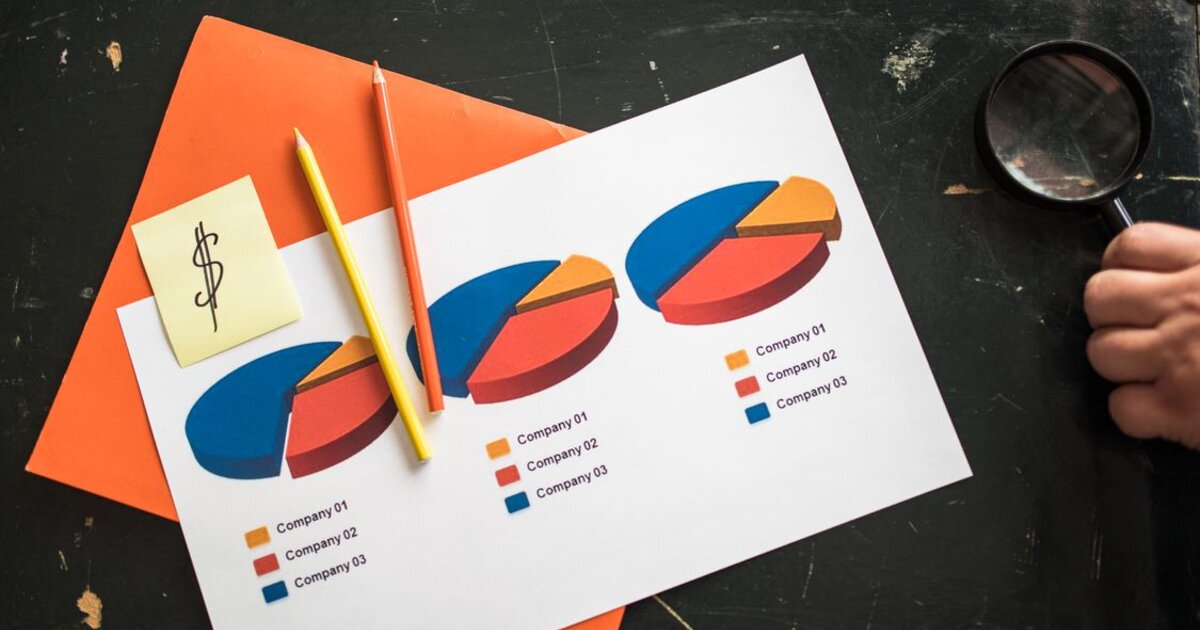
An infographic is presenting information through visuals: schemes, charts, lists, checklists, "before/after". In the feed, where a person scrolls content in a fraction of a second, an infographic beats solid text: the complex is read in one glance, not in three paragraphs. So this format works great for reach and especially for saves — you want to save a useful visual card to come back to.
For an expert and a brand, an infographic is a way to show value compactly and beautifully. In 2026, when the audience's attention is at its limit, the ability to package a thought into a clear visual is valued highly. Let's break down what infographic works, how to make it without a designer and where not to overdo it.
What infographic works in social media
Not every picture with text is a good infographic. Formats that land:
- Checklists and lists. "5 steps to …", "what to check before …" — they get saved to apply.
- Comparisons. "before/after", "myth/truth", "A vs B" — visual and gripping.
- Step-by-step schemes. How a process works, an instruction in pictures — saves the reader time.
- Numbers and statistics. One strong fact large works better than a table in small print.
- Carousel infographics. Breaking a topic into slides — a top format for saves and watch-through.
The main criterion: an infographic should simplify, not decorate. If a picture can be replaced with one line of text without losing meaning — it's not an infographic but decor.
How to make an infographic without a designer
A designer isn't needed — there are simple tools and rules. What helps do it neatly:
- Online editors with templates. Canva, Supa and analogs give ready grids — just insert your text and data.
- A consistent style. 2–3 brand colors, one font, a recognizable grid — so the cards form a unified feed.
- One thought — one card. Don't cram five ideas into one slide, break them into a carousel.
- Whitespace and hierarchy. The headline large, details smaller, enough empty space — an overloaded card doesn't get read.
Templates save hours and keep a consistent style — it's part of the systematic approach to content we wrote about in our article on a content plan for SMM.
Infographics and algorithms: why it's about saves
An infographic is especially valuable because it provokes saves and reposts — and these are strong signals for algorithms:
- Saves. A useful card gets saved to return to — the algorithm counts this as high content value.
- Reposts. A clear useful visual is shared with friends more often than text.
- Time on carousels. Swiping through slides increases interaction time with the post.
Add the call "save it so you don't lose it" — like any content, an infographic works better with a clear call to action (see our article on the call to action).
Where not to overdo it
An infographic is a tool, not an end in itself. Common excesses:
- Form over substance. A beautiful card with no real value won't be saved and won't work.
- Data overload. No one will make sense of ten charts on one picture — simplify.
- Small text. In the feed everyone views from a phone: if it's unreadable, the content is useless.
- Only infographics. Live videos and personal content are also needed — pure "graphics" makes an account faceless.
An infographic is a strong format for useful content: it packages the complex into a clear visual, collects saves and reposts and strengthens the expert image. The main thing is that there's always real value for the reader behind a beautiful picture.