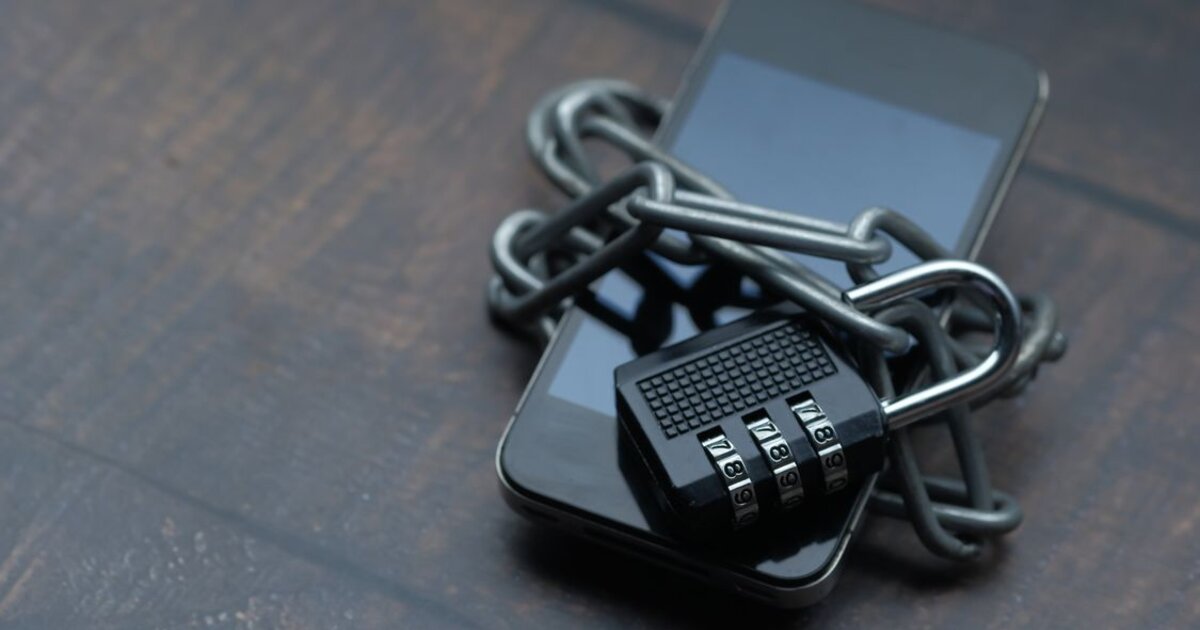
The most common stopper before a first boosting order sounds like this: "What if they ask for my password and steal the account?" The fear is understandable — you must never hand account access to anyone. The good news: normal boosting doesn't need your password at all. Let's break down what's actually required for an order, why a password request is a warning sign and how to keep yourself safe.
The main fear before ordering — handing over access
People confuse boosting with "promotion" services that act on your behalf: they like and follow from your account, and for that they need your login and password. That's where access really is handed over — and that's where the real theft risk is. Classic boosting works differently: an audience is sent to you from the outside, not acting through your account. So access to it isn't required.
Why quality boosting doesn't need a password
To boost followers, likes or views, a service only needs a public link to your profile, post or video — something already visible to anyone online. The boosting comes "from outside": third-party accounts follow, like, view. No one manages your profile or logs into it in the process. A link is the address to deliver the order to, not the key to your home.
If they ask for a password — that's a red flag
A request for login and password for ordinary follower or like boosting is a reason to close the page immediately. A legitimate service doesn't need a password, and whoever asks for it is usually collecting access for theft, spam or extortion. A separate matter is the two-factor SMS code: you never share it with anyone, it's the final key to the account. How to protect a profile from hacking in general we covered in the article how to protect an account from hacking.
What's actually needed for an order
For most services two things are enough:
- A link to the profile (for followers) or to a specific post/video (for likes and views).
- An open profile during the run — boosting simply can't follow or like a private account.
No passwords, codes or email access. If for likes you're asked for anything beyond the post link — that's already a reason to be wary.
How to keep the account safe when ordering
Even without handing over a password, basic hygiene is worth following. Turn on two-factor authentication — then even a leaked password won't allow login without a code. Never enter your details on third-party "login forms" sometimes disguised as payment. Check the link you send — it should lead exactly to your public content. And remember: the difference between cheap and quality services is partly about safety, which we wrote about in the piece on expensive and cheap boosting.
Conclusion: a link — yes, a password — never
Safe boosting works by a public link and an open profile, without logging into your account. A password, an SMS code or email access aren't needed for it — and whoever asks for them is hunting not for your growth but for your account. Remember a simple rule: a link you can give, a password — to no one, ever.