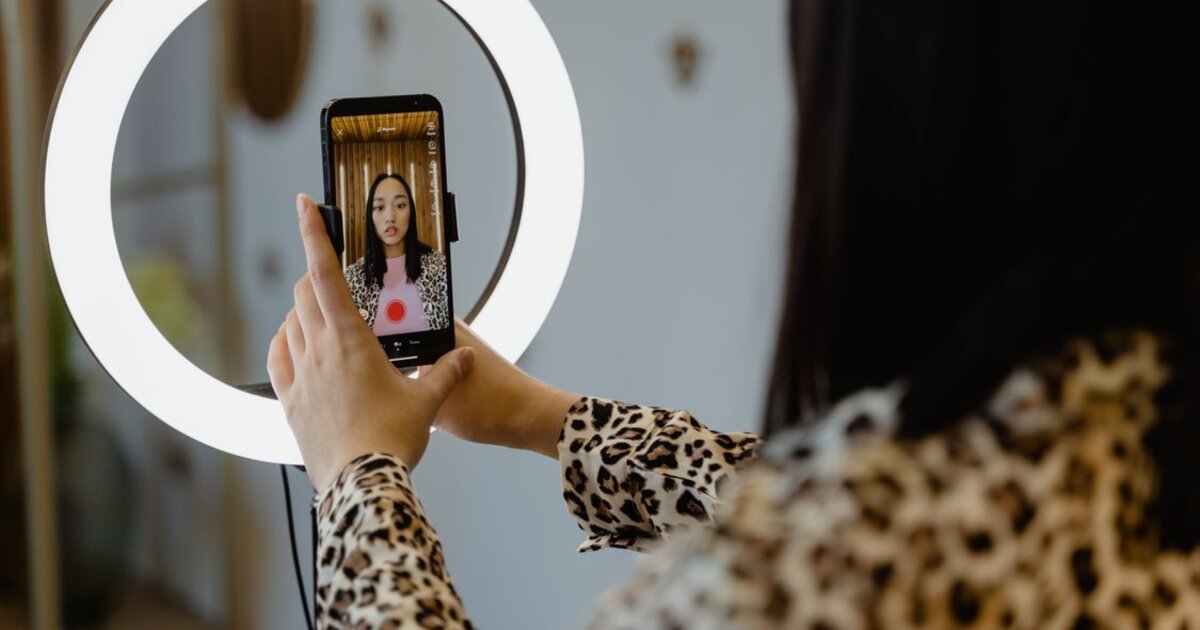
Live streams are an underrated promotion tool. They give a live connection with the audience that neither posts nor stories can replace: the viewer sees you in real time, asks questions and gets answers right here and now. And social algorithms love live streams because they keep people in the app for a long time. Let's break down how to run streams that grow reach and trust.
Why live streams matter in promotion
A live stream delivers what's hard to give in a recording: trust and engagement. Live communication removes distance — a follower starts seeing you as a person, not an account. Platforms reward this: for minutes spent on a stream, the algorithm raises you in impressions. Plus a stream easily turns into a dozen content units — clips, quotes, answers to questions.
Preparing for a stream
Spontaneity is good, but you always need a backbone. Before the stream, pick a topic and 3–5 talking points, check light and sound (bad audio kills a stream faster than a boring topic), charge the device and mount the phone. Stable internet is critical: dropping out mid-stream resets the viewers you've gathered. Prepare a couple of "icebreaker" questions in case the audience is quiet at first.
How to announce a stream in advance
The main rookie mistake is going live with no warning and talking into the void. Announce a day and an hour before: a post, a story with a timer, a pin in the channel. State clearly what the stream is about and what value the viewer gets. The more specific the promise, the more people show up at the start — and the first viewers decide whether the algorithm pushes the broadcast.
How to hold viewers during a stream
Attention on a stream is held by activity. Greet arrivals by name, answer comments out loud, ask viewers questions and request reactions. Keep the pace — don't dwell on one thought too long. Periodically remind people who you are and what the stream is about: people join throughout the broadcast and didn't see the start.
The starting push: the first viewers decide
Streams have a hard mechanic: the algorithm watches how many people connect in the first minutes and uses that to decide whether to show the broadcast wider. An empty stream at the start stays empty. To break that threshold, a starting push helps — a boost of the first viewers creates a crowd that a live audience joins and that the algorithm reads as a popularity signal. It's an accelerator, not a replacement for content: it's worth pushing an interesting stream, otherwise the live viewers who came will leave anyway.
Common mistakes on streams
- No announcement — went live for yourselves, zero viewers.
- Bad sound and light — a technical trifle that gets you closed in 5 seconds.
- A monologue — talking without involving anyone, no questions, no reaction to comments.
- No regularity — one stream does nothing; you need a series for the audience to get used to it.
Streams are a marathon, not a sprint: the first broadcasts can be modest in reach, but each one builds the skill and trains the audience. Combine regularity, announcements and a starting push — and streams will become one of the most powerful growth channels.