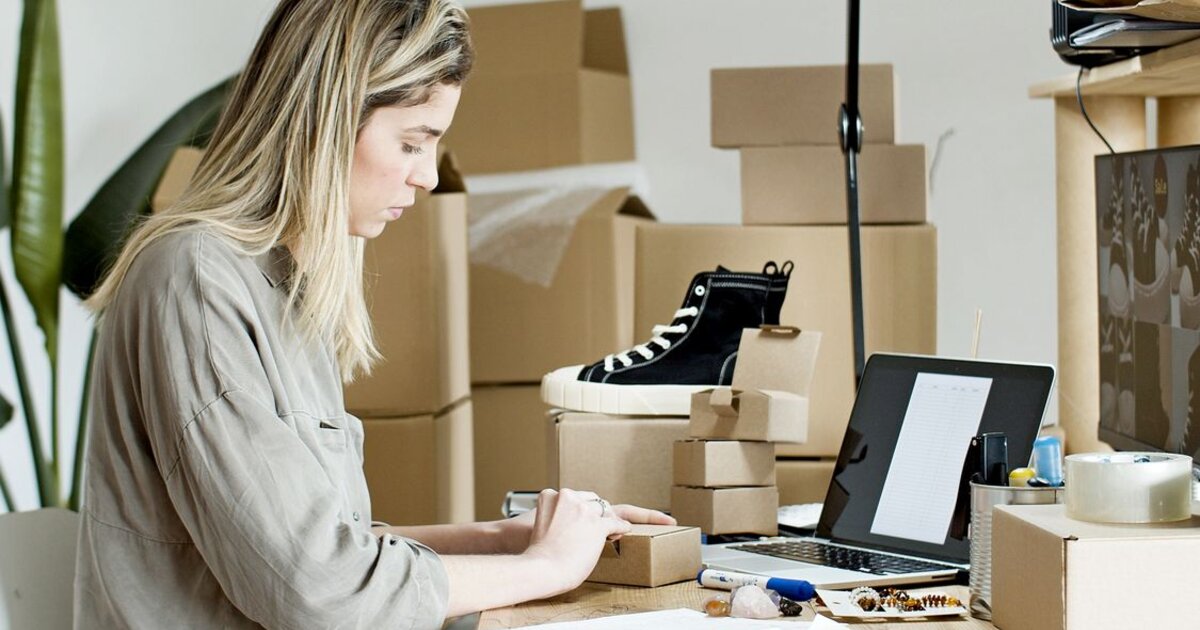
Why an online store needs social media
For an online store, social media solves a specific task — bringing traffic to product cards and bringing customers back. Unlike a blogger who needs reach, a store needs sales: a click on a product, adding to cart, a repeat order. So an online store's SMM is not "pretty posts" but a storefront and a sales channel built into where the audience spends its time.
Plus social media removes the main barrier to online purchase — distrust. A live account with reviews, unboxings and real product photos convinces people to buy better than a dry card on the site. In 2026, for many stores social media brings more orders than contextual advertising. Let's break down how to build this systematically.
Content that sells the product
A store's account is a storefront, but the storefront shouldn't be only a catalog. A working content balance:
- The product in life. Not just a photo on a white background, but how the item is used, worn, what it's combined with — the buyer imagines it on themselves.
- Reviews and unboxings. Video of the product from all sides removes the fear of "what if the wrong thing comes".
- Reviews and UGC. Reposts of photos of happy customers are the strongest proof of quality.
- Value on the topic. A cosmetics store — makeup tutorials, a tableware store — recipes. Useful content keeps the subscription between purchases.
- Promotions and new items. Direct reasons to order: a discount, a restock, a limited edition.
The formula: 70% useful and engaging, 30% direct sales — otherwise the account turns into a spam catalog people unfollow.
How social media leads to a purchase
The task is to shorten the path from a post to placing an order. Tools for this:
- Links to the product everywhere. A multilink in the bio, product tags in posts, a link in the description — the buyer shouldn't search for how to buy.
- Fast replies in DMs. Many orders are placed in chat — reply fast, an auto-responder for common questions speeds up the sale.
- A storefront in the profile. Pinned collections, highlights with categories, a catalog in the community.
- Retargeting warm users. Showing ads to those who viewed a product but didn't buy recovers part of the carts.
We covered how to build the whole customer journey in our article on the sales funnel in social media.
Reviews and trust decide conversion
In an online purchase the main fear is "they'll cheat me or send the wrong thing". For an online store, working with trust directly affects sales:
- Collect and show reviews — screenshots, videos, photos of customers with the product.
- Respond to negativity openly — how you solve a problem is seen by all potential buyers.
- Show the process. How you assemble an order, pack it, ship it — this removes the fear of "is this a real store".
We wrote about how to respond to complaints properly in our article on handling negativity and hate.
Does a store need a follower base
Yes — and here it directly affects money. Before buying from an unfamiliar store, a person goes to its social media to check: is the account alive, are there reviews, are there many followers. An empty store profile with a hundred followers and no reviews reads as a "fly-by-night", and the order isn't placed.
A base audience and activity create the trust needed for a first purchase. To give a store's profile a solid look at the start, promotion services help — but this is only the foundation of trust: sales are made by real products, reviews and convenience of ordering. We covered the related specifics of marketplaces in our article on SMM for marketplaces.
Common online store mistakes on social media
For social media to bring orders, avoid the typical slips:
- A catalog-account — only product photos with a price, no value or life, quickly gets old and loses reach.
- No links to buy — a pretty post with no clear "how to order" doesn't convert.
- Slow replies in DMs — while you're silent, the customer goes to a competitor.
- No reviews — without social proof people are afraid to place an online order.
- Stock photos instead of real ones — a depersonalized product inspires no trust.
An online store's SMM is a storefront plus trust: live content with real products, reviews and a convenient path to ordering turns followers into buyers and brings them back again.